



Eileen Gu: Fashion Meets Function on the Olympic Slopes
A Runway on the Mountain
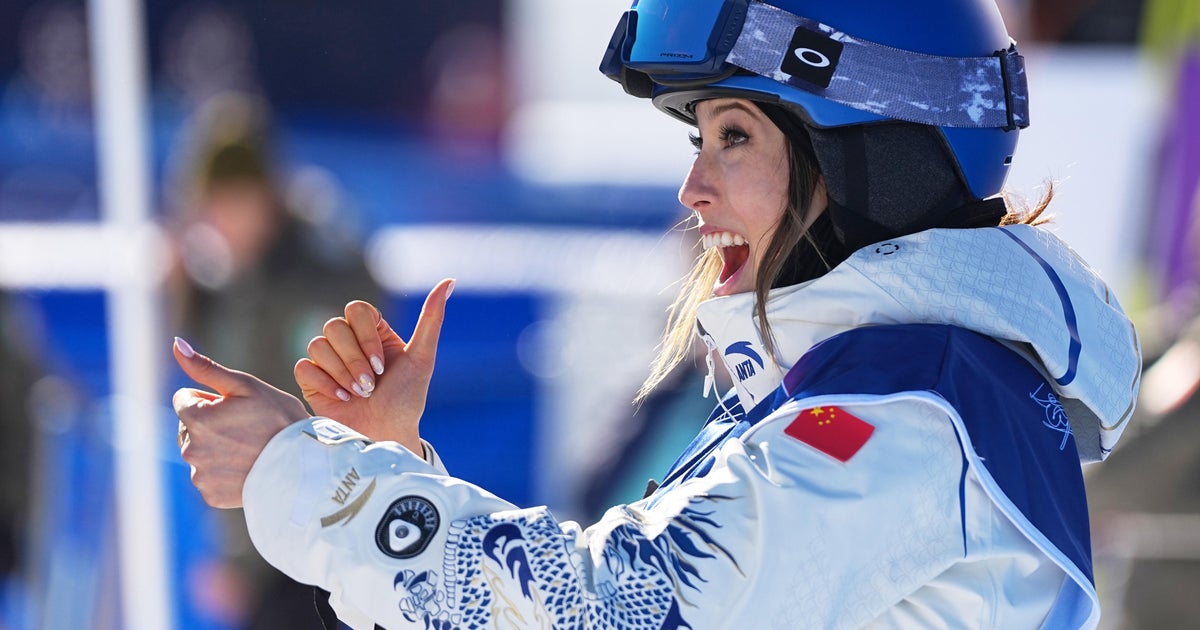
When most Olympic athletes focus solely on performance gear, Eileen Gu treats the slopes like her personal fashion runway. The 22-year-old freestyle skiing sensation, who divides her time between death-defying aerial maneuvers and strutting down catwalks as a professional model, arrived at the 2026 Winter Olympics in Milan-Cortina with more than just athletic ambitions. She brought a carefully curated fashion statement that turned heads and sparked conversations far beyond the world of competitive skiing. During Saturday’s women’s slopestyle qualifications in Livigno, Italy, Gu showcased a custom-designed ski suit that was as much a work of art as it was athletic equipment. The moment she came off the course, her enthusiasm was palpable. “Oh my gosh, I’ve been waiting for this moment, fit check!” she exclaimed, barely able to contain her excitement about finally getting to share the intricate details of her outfit with the world. For Gu, this wasn’t just about looking good—though she certainly achieved that. It was about weaving together the threads of her complex identity: her American upbringing, her Chinese heritage, her academic achievements at Stanford, and her childlike wonder that still finds joy in mood rings and compasses.
A Tribute to Heritage and History
The foundation of Gu’s striking ensemble tells a story that runs deeper than fabric and thread. Competing for China—the homeland of her mother—Gu collaborated with a fellow Stanford student to create a design that honors her family roots while paying homage to her breakout performance at the 2022 Beijing Olympics. That previous Winter Games transformed Gu from a talented athlete into a global phenomenon when she claimed two gold medals and one silver, becoming one of the faces of freestyle skiing worldwide. The suit, manufactured by Anta, her Chinese sportswear sponsor, features a bone white base that serves as a deliberate reference to Chinese ceramics, often referred to simply as “China” in English. This clever double meaning creates a canvas of cultural significance, allowing the vibrant blue graphics and soft golden accents to pop against the pristine backdrop. Every element was chosen with intention, creating a visual representation of Gu’s dual identity and the pride she takes in both aspects of her background. The American-born athlete has never shied away from the complexities of her position, and this suit represents another way she navigates the space between two worlds with grace and creativity.
Dragons, Courage, and Continuing Traditions
Among the most striking features adorning Gu’s custom suit are the dragon motifs that command attention on her sleeves. These aren’t mere decorative flourishes—they’re powerful symbols carrying deep personal and cultural significance. “Of course, I had to bring in the dragon element, which was relevant at the last Olympics as well,” Gu explained to reporters and fans eager to understand the meaning behind her fashion choices. For her, the dragon represents more than Chinese mythology; it embodies the strength and courage she channels every time she launches herself into the air, twisting and spinning in ways that seem to defy the laws of physics. The dragons on her 2026 suit serve as a continuation of a tradition that proved successful in Beijing, where she dominated her events and captured the world’s attention. By incorporating these same elements again, Gu creates a visual through-line in her Olympic journey, a reminder that the qualities that brought her success before remain with her still. One dragon rears dramatically on her sleeve, while another patch features a different dragon design, looking fierce and protective. Near these mythical creatures, a logo displays her name in bold, confident lettering, while another rendering of her name appears in graffiti-style script beneath a flap near her neck—though this particular detail gets covered by her competition bib. Even then, Gu notes with satisfaction, the white bib doesn’t clash with her carefully coordinated aesthetic.
Whimsy Meets Intelligence
What truly sets Gu’s outfit apart from standard athletic wear are the playful yet thoughtful details that reflect her personality beyond skiing. The suit features a color-changing thermometer—a functional element that Gu traces back to a childhood fascination. “I was obsessed with mood rings when I was little,” she shared with genuine enthusiasm. “Like, you know, you put them on and they change color with temperature. And so it’s a color-changing thermometer.” This detail perfectly encapsulates Gu’s approach to life: why settle for ordinary when you can have something that brings joy while serving a practical purpose? The thermometer changes hues based on the surrounding temperature, adding an element of visual interest that shifts throughout competition as conditions change. Equally revealing is the tiny compass embedded in her suit—a nod to her intellectual side and her academic achievements. After all, this is someone who entered Stanford University a year early after achieving exceptional SAT scores, balancing the demands of elite athletic training with rigorous academic preparation. “I just wanted a little modular element for my little nerd brain to nerd out on,” Gu said with characteristic self-awareness and humor. “But in case you get lost, I can tell you which way is north.” These details paint a picture of someone who refuses to be one-dimensional, who embraces both her athletic prowess and her scholarly interests, her love of fashion and her appreciation for function.
The Feeling of Flying
At the heart of Gu’s design philosophy lies her deep connection to the sport itself. Pointing to another carefully placed detail on her suit, she explained one of her favorite elements: “I have clouds down here to represent the feeling of flying, which I love so much about freeskiing.” This simple statement cuts to the core of why Gu does what she does—not just for medals or sponsorships or fame, but for that transcendent sensation of soaring through the air, momentarily freed from gravity’s constraints. The cloud imagery serves as a constant reminder, even during the pressure of Olympic competition, of the pure joy that first drew her to the sport. It’s this passion that fuels her performances and makes her such a compelling figure to watch, both on the slopes and off. The attention to her outfit didn’t distract from her athletic performance on Saturday. After a disappointing start that saw her fall coming off the first rail during her opening run, Gu demonstrated the mental toughness that champions possess. She regrouped, refocused, and delivered a strong second run that earned her a spot in the finals, finishing just behind her top rival. As the reigning silver medalist in slopestyle—an event where skiers navigate a course of rails and jumps while performing acrobatic maneuvers judged on both execution and difficulty—Gu knows the pressure that comes with being a favorite.
Competition and What Lies Ahead
The qualifying rounds in Livigno, a picturesque location tucked into the Italian Alps hours away from the official host cities of Milan and Cortina, saw twelve skiers advance to the finals. Among them were Britain’s Kirsty Muir with the third-best score, American Avery Krumme in fourth, and Italian Maria Gasslitter, whose qualification brought extra excitement to the home crowd. The diverse field of qualifiers sets up what promises to be an exciting final, with Gu once again positioned as one of the athletes to beat. As she prepares for the final round of competition, Gu carries with her not just the technical skills and athletic ability that have made her a star, but also the confidence and creativity that allow her to express herself fully, whether through her skiing or her fashion choices. Her custom suit represents something larger than personal style—it’s a statement about the modern athlete’s ability to be multifaceted, to excel in their sport while also engaging with culture, fashion, education, and identity in meaningful ways. For young athletes watching Gu compete, she offers a powerful example of someone who refuses to be confined by narrow definitions of what an Olympian should be. She models for magazines, she studies at one of the world’s top universities, she designs custom competition wear, and she throws down tricks that few others can match. In doing so, she expands the possibilities for what athletic excellence can look like and reminds us that the best competitors bring their whole selves to their sport—dragons, mood rings, compasses, clouds, and all. As the men’s freeski slopestyle qualifying rounds followed later that same Saturday, the buzz around the event had already been amplified by Gu’s memorable appearance, proving once again that she knows how to make an entrance and leave a lasting impression.