


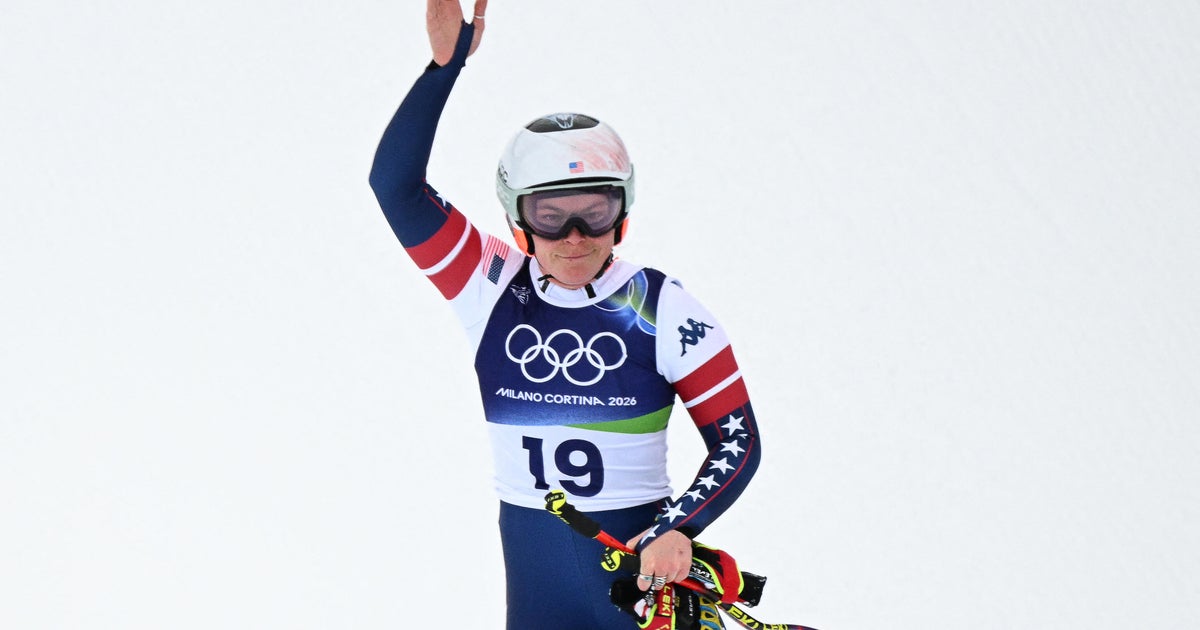

American Skier Breezy Johnson’s Olympic Journey Takes Dramatic Turn in Italy
From Gold Medal Glory to Super-G Heartbreak
The 2026 Winter Olympics in Cortina d’Ampezzo, Italy, has been a roller coaster of emotions for American downhill skiing star Breezy Johnson. Just days after celebrating her first Olympic gold medal in the women’s downhill event, Johnson’s hopes for a second medal came to an abrupt and dramatic end during Thursday’s Super-G competition. The crash occurred shortly after she exited the speed-building section of the course when her right pole caught a gate, causing her to lose balance and ultimately end up in the safety netting along the side of the course. While the mishap was undoubtedly disappointing for the American champion and her supporters, Johnson was able to stand and walk away from the incident, avoiding serious injury. Her resilience has been a hallmark of her Olympic experience, from dealing with a broken medal to now bouncing back from this setback on one of skiing’s most challenging courses.
A Gold Medal with Its Own Story to Tell
Johnson’s journey at these Games began with triumph when she captured gold in the women’s downhill on Saturday, marking not only her first Olympic medal but also Team USA’s first medal of the 2026 Winter Games. However, even that victory came with an unexpected twist that perfectly captured the unpredictable nature of these Olympics. As Johnson celebrated her historic achievement, her gold medal literally broke apart, separating from its ribbon in a moment that was both humorous and concerning for the champion. In an interview with CBS News’ Seth Doane, Johnson revealed the special care she was taking with her replacement medal while the original was being repaired. With characteristic creativity and determination, she even mentioned plans to knit a dedicated pouch to protect her medal once it was returned to her, showing the personal touch and care she brings to preserving this precious memento of her achievement. This small but memorable incident added a human element to her Olympic story, reminding everyone that even at the highest levels of athletic competition, unexpected things happen.
Challenging Conditions Test the World’s Best Skiers
The Super-G race on Thursday proved to be one of the most treacherous events of the Games, with Johnson far from the only competitor to struggle with the demanding conditions. The combination of foggy weather and flat light created visibility challenges that made it extremely difficult for skiers to read the subtle changes and contours of the Trofane course. Among those who couldn’t complete the race safely were some of skiing’s biggest names: Italy’s Sofia Goggia, who currently leads the World Cup season standings in Super-G; Ester Ledecka of Czechia, the 2018 Olympic gold medalist; and American Mary Bocock, who had stepped into the competition after U.S. skiing legend Lindsey Vonn suffered a severe injury to her left leg during Sunday’s downhill event. The high number of crashes and unsuccessful runs underscored just how difficult the conditions were and provided some context for Johnson’s mishap. When the world’s most accomplished skiers are struggling to navigate a course, it speaks to the extreme demands placed on these athletes and the fine line between victory and defeat in alpine skiing.
Italy’s Federica Brignone Claims Historic Victory
While Johnson’s day ended in disappointment, the race belonged to Italy’s Federica Brignone, whose victory represented one of the most inspiring comeback stories of these Olympics. At 35 years old, Brignone navigated the treacherous Trofane course in 1:23.41 minutes to claim her first Olympic gold medal despite a decorated career that had previously yielded three Olympic medals. What made her achievement even more remarkable was the journey she had undertaken just to reach the starting gate. Less than a year before this triumphant moment, Brignone had suffered a devastating crash in Val di Fassa that resulted in multiple broken bones in her left leg, requiring two surgeries and months of intensive rehabilitation. Her ability to return to competitive form, let alone win Olympic gold, demonstrated extraordinary physical and mental resilience. With this victory, Brignone became the oldest female gold medalist in women’s alpine skiing history and earned her fourth Olympic medal overall, matching Italian legend Deborah Compagnoni for the most medals by an Italian women’s skier.
A Nation Celebrates Its Homegrown Champion
Brignone’s golden moment took place in front of a passionate home crowd and distinguished spectators, including IOC President Kirsty Coventry and Italian President Sergio Mattarella, who watched from near the finish line as she triumphantly raised her poles after crossing. The familiar red, white, and green colors of the Italian flag were visible throughout a large section of the stands as the crowd erupted in celebration of their hometown hero’s achievement. This gold medal added to what had already been a successful Games for the host nation, with Italian athletes finding early success across multiple events. Brignone’s role as one of four flag bearers during the opening ceremonies had already established her as a face of these Olympics for Italy, and she delivered on that symbolic responsibility with her performance. Even during the opening ceremonies, her determination was evident—still bothered by lingering pain in her left leg nearly ten months after her crash, she had asked fellow flag bearer and curler Amos Mosaner to carry her on his shoulders so she could wave the flag freely, a moment that now seems even more poignant given her subsequent victory.
Looking Ahead: Resilience Defines These Games
As the 2026 Winter Olympics continue, the stories of both Johnson and Brignone serve as powerful reminders of what makes Olympic competition so compelling. Johnson’s journey from gold medal glory through a broken medal and ultimately to a disappointing crash demonstrates the unpredictable nature of athletic competition and the thin margins between success and setback at the highest level. Meanwhile, Brignone’s comeback from serious injury to Olympic gold provides inspiration not just for athletes but for anyone facing adversity. Even injured American legend Lindsey Vonn, recovering in the hospital from her own crash, took time to recognize Brignone’s achievement, tweeting “Congrats Fede. What an incredible comeback!!” This acknowledgment from one champion to another highlighted the mutual respect among these elite athletes and the special bond formed through shared experiences of both triumph and hardship. As competition continues in Cortina d’Ampezzo, these stories of resilience, determination, and the courage to compete despite setbacks will likely remain among the most memorable narratives of the 2026 Winter Games, reminding us that the Olympic spirit is about far more than just medals and records.