


Consumer Confidence Takes a Hit: How Global Tensions and Rising Costs Are Affecting American Households
Americans Feeling the Economic Squeeze
The economic outlook for American families took a noticeable downturn in March, as growing concerns about international conflict and skyrocketing gas prices began to reshape how people view their financial futures. According to the University of Michigan’s closely watched consumer sentiment index released on a Friday in March, Americans’ confidence in the economy dropped significantly – falling by 5.8% from February’s reading of 56.6 points down to just 53.3 points. To put this in perspective, this represents the lowest level of consumer confidence recorded since December 2025, signaling that everyday Americans are becoming increasingly worried about what lies ahead for their wallets and the broader economy. This decline isn’t just a minor blip on the radar; it reflects real anxieties that families across the country are experiencing as they navigate an increasingly uncertain economic landscape shaped by events both at home and abroad.
The Wealth Gap in Economic Anxiety
Interestingly, not all Americans are feeling this economic anxiety equally. The drop in confidence was particularly sharp among middle-income and high-income consumers, according to Joanne Hsu, who directs the Surveys of Consumers at the University of Michigan. This might seem counterintuitive at first – wouldn’t wealthier households be better insulated from economic shocks? – but there’s a logical explanation. Higher-income families typically have more of their wealth tied up in stock market investments, and those investments have been on a wild roller coaster ride since the Iran war erupted on February 28th. The S&P 500, which serves as a key barometer for the overall stock market and retirement account values, has tumbled nearly 6% since the conflict began. For families counting on their 401(k)s and investment portfolios for retirement or their children’s education, watching those numbers shrink has been genuinely unsettling. As Elizabeth Renter, a senior economist at NerdWallet, explained in her statement, when nations go to war, people naturally expect their economic situations to worsen. They anticipate not only higher prices on everyday goods but also significant volatility in their investment portfolios – that uncomfortable feeling of watching your nest egg potentially evaporate due to circumstances completely beyond your control.
The Pump Price Problem
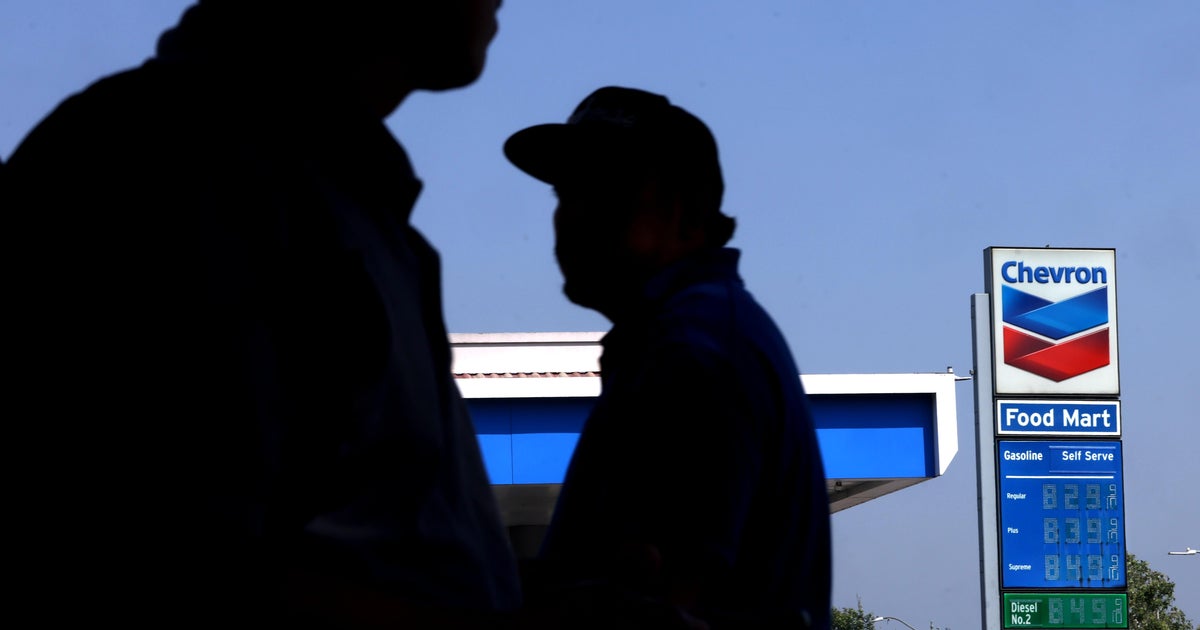
Perhaps nothing hits Americans’ wallets quite as directly and visibly as the price displayed on gas station signs, and those numbers have been climbing steadily higher. As of that Friday afternoon, crude oil prices were surging upward, with Brent crude – the international benchmark that helps set global oil prices – rising 2.5% to reach $104.46 per barrel, while West Texas Intermediate (WTI), which serves as the U.S. benchmark, jumped even more dramatically by 4.1% to hit $98.31 per barrel. These wholesale price increases translate directly to what drivers pay at the pump. According to AAA’s tracking data, regular gasoline was averaging $3.98 per gallon nationwide on that Friday – a staggering dollar increase since the Middle East conflict first erupted. For anyone who regularly fills up their tank, that’s a noticeable chunk of change disappearing from the household budget each week. But it gets worse for certain drivers: diesel fuel, which powers commercial trucks, delivery vehicles, and farm equipment, had climbed to $5.38 per gallon on average. This diesel price spike is particularly concerning because its effects ripple far beyond just the people driving diesel-powered vehicles.
The Hidden Cost of High Diesel Prices
The elevated diesel prices represent a threat that extends far beyond the immediate pain felt by truckers and farmers when they fill their tanks. Because diesel powers the massive trucks that transport goods across America – everything from fresh produce to manufactured goods – higher diesel costs inevitably get passed along the supply chain and eventually show up as higher prices on grocery store shelves. When it costs more to transport tomatoes from California farms to supermarkets in Chicago, or to move manufactured goods from ports to distribution centers to retail stores, those transportation costs don’t just disappear – they get added to the final price that consumers pay. Francesco D’Acunto, an associate professor of finance at Georgetown’s McDonough School of Business, emphasized this concern in his email to CBS News, warning that the longer Americans remain exposed to high gas and grocery prices, the larger and more persistent the drop in consumer sentiment will become. In other words, if these elevated prices stick around for months rather than weeks, we could see consumer confidence drop even further, potentially creating a self-fulfilling prophecy where worried consumers spend less, businesses see reduced sales, and the economy slows down as a result.
Inflation Fears Resurface
Adding to the troubling economic picture, Americans’ expectations about future inflation have also taken a sharp turn upward. The University of Michigan survey data revealed that inflation expectations jumped from 3.4% in February to 3.8% in March – representing the largest single-month increase since April 2025. This might not sound dramatic on its face, but inflation expectations matter tremendously because they can influence actual inflation. When people expect prices to rise, they often change their behavior in ways that can make those expectations come true: workers demand higher wages to keep up with anticipated price increases, businesses raise prices preemptively to cover expected cost increases, and consumers sometimes rush to make purchases now rather than waiting, all of which can fuel actual inflation. The Federal Reserve pays extremely close attention to inflation expectations precisely because they can become self-reinforcing. For everyday Americans, rising inflation expectations translate to a gnawing worry that their paychecks won’t stretch as far in the coming months, that their savings will lose purchasing power, and that major purchases like homes or cars will become increasingly unaffordable.
The Broader Picture of Economic Pessimism
The University of Michigan’s consumer sentiment data doesn’t exist in isolation – it aligns closely with other recent polling that paints a picture of widespread economic anxiety among Americans. A CBS News poll of 3,335 U.S. adults revealed just how deeply concerns about energy prices have penetrated the national consciousness. An overwhelming 85% of respondents reported that gas prices in their area have been climbing, while an even larger majority – 90% – said they expect U.S. gas and oil prices to continue rising in the short term due to the ongoing war. These aren’t abstract economic indicators; they represent real concerns from real people who are adjusting their family budgets, reconsidering travel plans, and worrying about how they’ll afford both filling their gas tanks and putting food on the table. The combination of international instability, volatile investment markets, rising energy costs, and renewed inflation fears creates a perfect storm of economic anxiety that’s affecting households across the income spectrum. While the immediate triggers for this confidence decline – the Iran conflict and the resulting oil price spike – might eventually resolve, the psychological impact on consumer behavior could linger much longer, potentially affecting spending patterns and economic growth for months to come. For policymakers, business leaders, and everyday Americans, the challenge ahead will be navigating this period of heightened uncertainty while hoping that cooler heads prevail internationally and that the economic pressures prove temporary rather than the beginning of a longer-term downturn.