

Secret Service Agent Accidentally Shoots Himself During Protective Detail at Philadelphia Airport
Incident Overview and Immediate Response
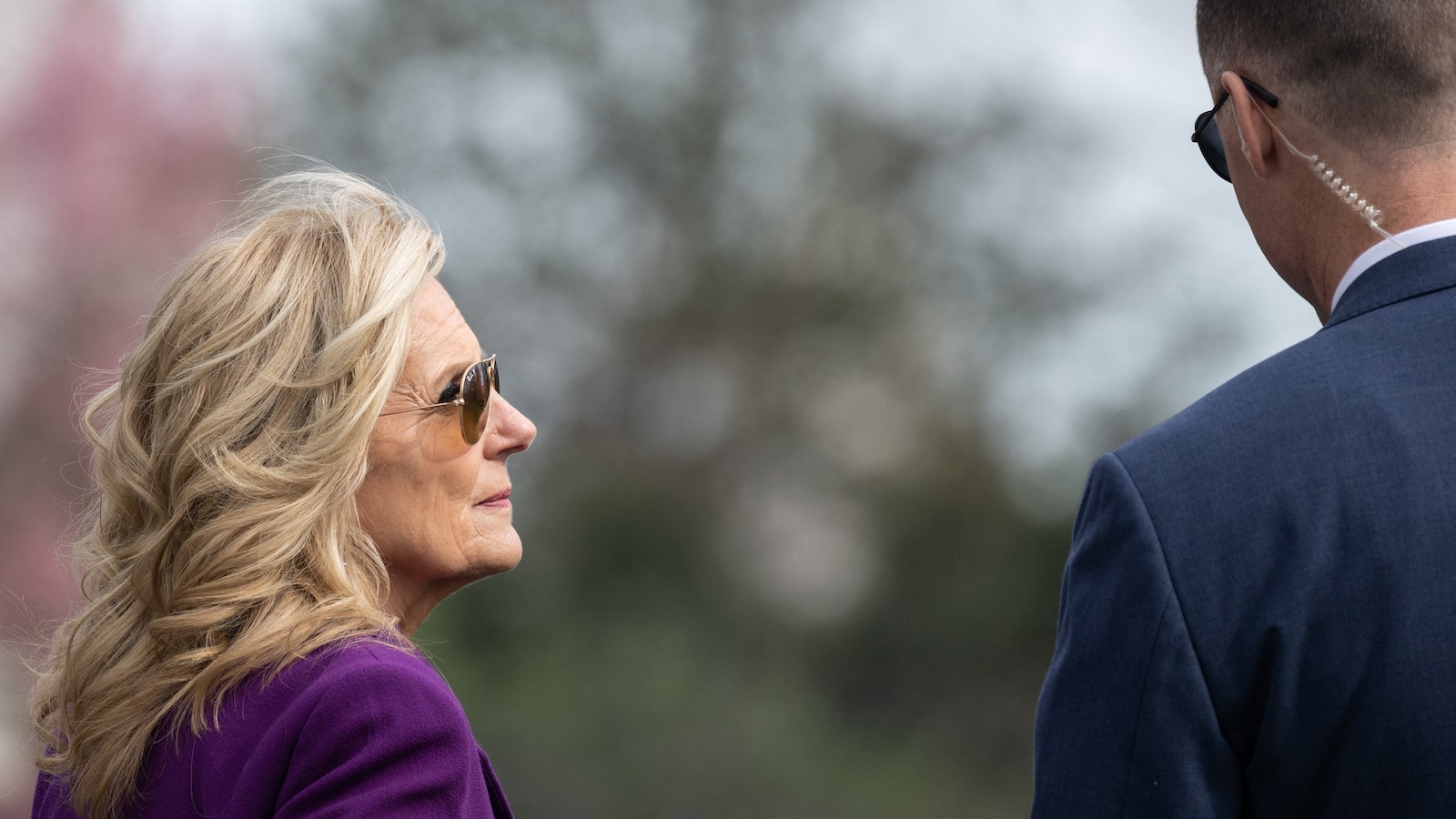
In an unfortunate incident that highlights the serious responsibilities and potential dangers associated with protective services, a U.S. Secret Service agent accidentally shot himself in the leg on Friday morning while on duty at Philadelphia International Airport. The agent, who was assigned to protect former first lady Dr. Jill Biden, experienced what officials are calling a “negligent discharge” while handling his service weapon. According to Secret Service officials, this means the weapon was fired unintentionally due to improper handling procedures. Thankfully, Dr. Biden was nowhere near the location when the incident occurred, and the agent’s injury, while serious enough to require immediate medical attention, was not life-threatening. Emergency medical services quickly responded to the scene and transported the injured agent to Penn Presbyterian Medical Center, where he was admitted in stable condition and is currently being evaluated by medical professionals.
Details of the Negligent Discharge
The Secret Service released an official statement explaining that the agent “suffered a non-life-threatening injury following a negligent discharge while handling a service weapon at the Philadelphia International Airport during a protective assignment.” This terminology is significant within law enforcement and security circles, as a “negligent discharge” specifically refers to an unintentional firing of a weapon that results from failure to follow proper safety protocols. Unlike an accidental discharge that might occur due to mechanical failure or other unforeseen circumstances, a negligent discharge typically indicates some level of human error in weapon handling. While the exact circumstances of how the gun was being handled at the time of the incident have not been publicly disclosed, such events often occur during routine activities like holstering, unholstering, cleaning, or inspecting a weapon. The fact that this occurred during an active protective assignment at a major international airport underscores the constant readiness required of Secret Service agents and the potential consequences when standard safety procedures aren’t perfectly followed.
No Additional Injuries or Ongoing Threats
One of the most fortunate aspects of this incident is that the negligent discharge resulted in injury only to the agent himself, with no other individuals being harmed. The Secret Service was quick to confirm that “there were no reported injuries to any other individuals,” which is particularly significant given that the incident occurred at Philadelphia International Airport, a location that typically sees thousands of travelers, airport employees, and other personnel on any given day. Secret Service officials also emphasized that there is no ongoing threat associated with this incident, meaning that this was purely an isolated accident rather than any kind of security breach, attack, or intentional action. This distinction is important for public safety and peace of mind, as incidents involving firearms at airports naturally raise concerns about potential threats. The Philadelphia Police Department confirmed that while the scene was being held for investigation purposes, there have been no disruptions to normal airport operations, allowing travelers and airport staff to continue their activities without significant interference.
The Investigation Process and Accountability
Following any incident involving a Secret Service agent, particularly one involving the discharge of a weapon, the agency has established protocols for thorough investigation and review. In this case, the Secret Service’s Office of Professional Responsibility has announced that it “will be reviewing the facts and circumstances of this incident.” This internal affairs division is responsible for investigating allegations of misconduct, policy violations, and incidents involving Secret Service personnel to ensure accountability and identify any necessary changes to training, procedures, or protocols. The investigation will likely examine multiple factors, including the agent’s training history, compliance with standard safety procedures, the specific circumstances that led to the negligent discharge, and whether any equipment malfunctions may have contributed to the incident. Depending on the findings, the agent could face consequences ranging from mandatory retraining to disciplinary action or even termination, though the specific outcomes will depend entirely on what the investigation reveals about the circumstances surrounding the incident.
Secret Service Responsibilities and Weapons Training
The U.S. Secret Service is perhaps best known for its role in protecting the President and Vice President, but the agency’s protective mission extends far beyond the current administration. Secret Service agents are also responsible for protecting former presidents and their spouses, visiting foreign dignitaries, and certain other designated individuals. In the case of former first lady Dr. Jill Biden, she receives Secret Service protection as the spouse of a former vice president and former president. Secret Service agents undergo extensive and rigorous training that includes intensive firearms instruction, as their weapons are considered essential tools for fulfilling their protective mission. This training emphasizes not just marksmanship and tactical proficiency, but also strict adherence to safety protocols designed to prevent exactly the type of incident that occurred on Friday. Agents are taught the fundamental rules of firearm safety, including always treating every weapon as if it’s loaded, never pointing a weapon at anything they don’t intend to shoot, keeping their finger off the trigger until ready to fire, and being aware of their target and what’s beyond it. The fact that a negligent discharge occurred despite this extensive training highlights that even highly trained professionals can make mistakes, particularly in high-stress environments or during moments of inattention.
Broader Implications and Moving Forward
This incident, while resulting in a relatively positive outcome given the circumstances, serves as a sobering reminder of the inherent risks associated with law enforcement and protective services work. Secret Service agents carry their weapons constantly while on duty, and the very nature of their work requires them to be prepared to use those weapons at a moment’s notice to protect their assigned protectees. This state of constant readiness, combined with the routine nature of carrying a weapon day after day, can sometimes lead to complacency or momentary lapses in attention that can have serious consequences. The incident will undoubtedly lead to discussions within the Secret Service about training procedures, safety protocols, and whether any systemic changes might help prevent similar incidents in the future. For the injured agent, the recovery process will likely include not just physical healing but also a thorough review of what happened and potentially additional training before returning to full duty. For the Secret Service as an organization, this incident represents an opportunity to reinforce safety protocols across the agency and ensure that all agents remain vigilant about proper weapons handling procedures. As this story continues to develop, more details may emerge about the specific circumstances of the negligent discharge and what steps the Secret Service will take in response, but for now, the focus remains on the agent’s recovery and the ongoing investigation into how this incident occurred.