


A Second Chance for Canada’s Last Captive Whales: Export to U.S. Facilities Approved
A Lifeline Extended
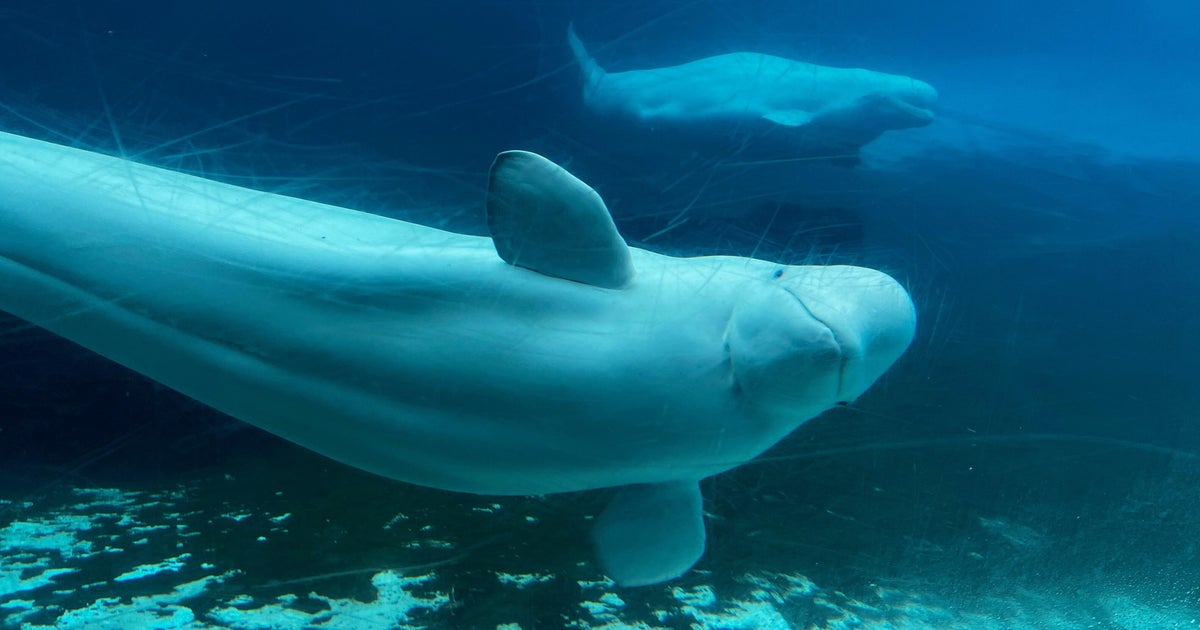
In a decision that marks a turning point for marine mammal welfare in Canada, the federal government has granted conditional approval for the country’s last captive whales to be relocated to the United States. Fisheries Minister Joanne Thompson announced the decision Monday following a crucial meeting with representatives from Marineland, the now-closed theme park and zoo in Niagara Falls, Ontario. The facility, which has housed these magnificent creatures for years, had been seeking permission to transfer 30 beluga whales and four dolphins to American institutions. Minister Thompson’s announcement, shared via social media, confirmed that while conditional approval has been granted, final export permits will only be issued once Marineland provides all required documentation. This decision comes at a critical juncture, as the park had warned that without authorization, the animals’ future looked increasingly grim. The move represents not just a bureaucratic decision, but a potential lifeline for creatures who have become symbols of the ongoing debate about marine mammal captivity in Canada.
A Race Against Time
The urgency surrounding this decision cannot be overstated. Marineland had been pleading with Minister Thompson, repeatedly emphasizing that the facility was running out of financial resources to properly care for the animals. In correspondence obtained by The Canadian Press, the park had set a stark deadline of January 30th, warning that if export permits were not authorized by that date, the animals would face euthanasia. This devastating possibility galvanized public attention and put enormous pressure on government officials to find a solution. The park characterized its proposal as an “urgent rescue solution” when it presented the plan to the federal government the previous week. In response to the minister’s conditional approval, Marineland issued a statement expressing gratitude and acknowledging Thompson’s support for the relocation efforts. “We extend our gratitude to the minister and the Canadian government for prioritizing the lives of these remarkable marine mammals,” the statement read, reflecting relief that a path forward had been identified that would spare these animals’ lives.
Finding New Homes: The U.S. Institutions Involved
According to reports, Marineland has been in active discussions with four prominent American marine facilities regarding the potential rehoming of its whales and dolphins. These institutions represent some of the most established aquatic animal care facilities in the United States: the Shedd Aquarium in Chicago, Georgia Aquarium in Atlanta, Mystic Aquarium in Connecticut, and SeaWorld, which operates several locations across the country. Each of these facilities brings different resources, expertise, and capabilities to the table. The selection of these particular institutions suggests careful consideration of which facilities can provide appropriate long-term care for these animals. The discussions represent a complex negotiation involving not just the physical transfer of the animals, but ensuring they will receive adequate space, proper care, and living conditions that meet current welfare standards. While details about which animals might go to which facilities have not been made public, the involvement of multiple institutions suggests that officials are working to find the best possible matches for each animal’s individual needs and social requirements, particularly important for highly social species like beluga whales.
A Troubled History and Political Support
The situation at Marineland has been deteriorating for years, with a troubling record of animal deaths raising serious welfare concerns. According to an ongoing tally maintained by The Canadian Press, which draws on internal records and official statements, twenty whales have died at the facility since 2019 alone—including one killer whale and nineteen belugas. This alarming mortality rate has fueled criticism of the facility’s operations and heightened concerns about the wellbeing of the remaining animals. Ontario Premier Doug Ford threw his support behind Minister Thompson’s decision, speaking frankly about the inadequate conditions at Marineland. “They’re going to have a better home than where they are because it’s a terrible home they’re in right now,” Ford stated bluntly, adding that the facility “wasn’t large enough” to properly house these animals. The Premier’s comments underscore the consensus among government officials that the status quo was unacceptable and that relocating the animals represents the best available option for their welfare. His public support also helps provide political cover for a decision that, while welcomed by animal advocates, still involves the complex question of moving animals between captive facilities.
The China Option That Wasn’t
This isn’t the first time Marineland has sought to export its whales. Last October, the facility applied for permits to move its beluga whales to Chimelong Ocean Kingdom, an aquarium in China. However, Minister Thompson denied those permits, and her reasoning reveals the government’s ethical framework for evaluating such proposals. Thompson stated she would not subject the whales to a future of performing in captivity, a practice that has become increasingly controversial and is viewed by many animal welfare advocates as exploitative. This decision aligned with Canada’s 2019 legislation that effectively banned the keeping of whales and dolphins in captivity for entertainment purposes—though animals already in facilities at that time, including Marineland’s whales, were grandfathered in under the law. The rejection of the China export application established that while the government recognized the need to relocate the animals, not just any destination would be acceptable. The conditional approval for export to U.S. facilities suggests that officials believe these American institutions will provide care focused on animal welfare rather than entertainment spectacle, though the distinction between education, conservation, and entertainment in aquarium settings remains a subject of ongoing debate.
Looking Forward: What This Means for Marine Mammal Captivity
The relocation of Canada’s last captive whales to American facilities represents more than just the resolution of one facility’s crisis—it marks a significant moment in the evolution of how society views marine mammal captivity. The 2019 Canadian law banning new cetacean captivity reflected growing public sentiment that keeping these highly intelligent, far-ranging animals in tanks is ethically problematic. While the Marineland animals were grandfathered in, their eventual departure means that Canada is moving toward a future without captive whales and dolphins, a transition that many animal welfare advocates have long championed. However, the situation also highlights the complex realities of unwinding the legacy of marine mammal captivity. These animals cannot simply be released into the ocean—most have been born in captivity and lack the skills necessary for survival in the wild. Finding appropriate facilities that can provide lifelong care while meeting modern welfare standards is challenging and expensive. The financial crisis at Marineland that precipitated this urgent situation demonstrates how facilities can struggle to maintain adequate care when business models dependent on visitor revenue collapse. As these animals prepare for their journey south, their story serves as a reminder of our ongoing responsibility to the animals we have brought into captivity, and the importance of planning for their long-term care even as society’s values and laws around captivity evolve.